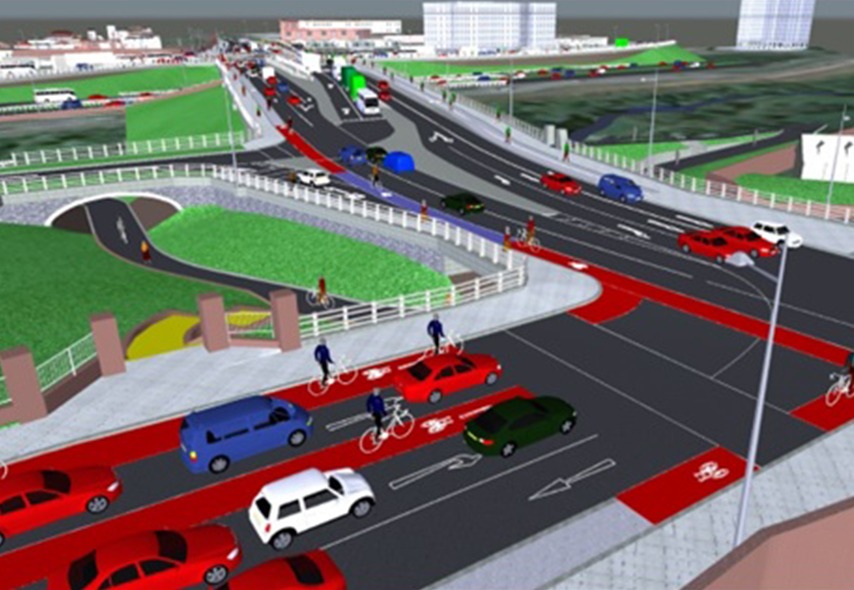
A Transport Assessment (TA) is a comprehensive study that evaluates the impact of a proposed development on the surrounding transport network. It helps planners, developers, and local authorities understand how new construction—whether residential, commercial, industrial, or mixed-use—will influence roads, traffic flow, public transport demand, parking, and pedestrian or cycling access. The main goal of a Transport Assessment is to ensure that developments are sustainable, safe, and well integrated into existing transport systems.
Why Transport Assessments Are Essential
Transport Assessments play a crucial role in responsible planning and urban development. Local authorities often require them before granting planning permission because they provide critical data on how a project will affect traffic levels and transport capacities. Without a TA, developments may create congestion, increase pollution, or compromise road safety. A well-prepared TA ensures that developers plan proactively, considering future traffic growth, transport upgrades, and mobility needs of the local community. This ultimately leads to better project outcomes and improved quality of life for residents.
Key Objectives of a Transport Assessment
The purpose of a Transport Assessment is multi-layered. One major objective is to determine whether the existing transport infrastructure can support the proposed development. Another objective is to identify potential problems—such as increased traffic volume or unsafe access routes—and provide solutions before construction begins. TAs also aim to promote sustainable transport by encouraging walking, cycling, and the use of public transport. In modern planning, reducing car dependency is a priority, and Transport Assessments help shape developments that align with this vision.
What a Transport Assessment Typically Includes
A standard Transport Assessment includes several technical components. The first is a baseline study that analyses current traffic volumes, junction performance, road layouts, and public transport availability. This is followed by trip generation forecasting, which estimates how many vehicle, pedestrian, and cycling trips the development will produce. The assessment also includes a detailed analysis of access points, parking requirements, service vehicle needs, and internal site circulation. Additionally, traffic modelling tools are used to predict future conditions, identify bottlenecks, and recommend improvements such as signal upgrades, roundabouts, turning lanes, or pedestrian crossings. A robust TA ensures that all transport modes are evaluated fairly and comprehensively.
Sustainable Transport and Modern Planning Requirements
Today’s Transport Assessments emphasise sustainability, in line with government policies and environmental goals. Modern developments are encouraged to reduce reliance on private cars by offering practical alternatives. This may include designing safe pedestrian paths, protected cycle lanes, electric vehicle charging points, and improved bus access. A TA outlines how a development will encourage modal shift, reduce emissions, and support long-term environmental targets. In many regions, failing to address sustainable transport can result in planning refusal.
How Transport Assessments Support Road Safety
A major component of a Transport Assessment is road safety analysis. This includes reviewing collision history around the site, identifying hazardous locations, and evaluating how the development might affect safety conditions. The TA may propose measures such as improved signage, speed control strategies, traffic calming features, or redesigned junctions to ensure safe access for all users. Road safety is particularly important for developments near schools, hospitals, and high-traffic residential areas. By addressing hazards early, developers reduce future risks and liability.
The Transport Assessment Process
The process of preparing a Transport Assessment usually begins with a scoping exercise, where developers consult with local authorities to agree on the methodology and required data. Traffic surveys, site investigations, and mapping exercises follow. After gathering and analysing data, consultants prepare a detailed report summarising findings and recommendations. This report is then submitted to planning authorities for review. If concerns arise, revisions or additional mitigation measures may be requested. When completed thoroughly, the process ensures transparency and cooperation between all stakeholders.
Mitigation Measures and Improvement Strategies
A significant part of any Transport Assessment involves recommending mitigation strategies for potential traffic challenges. These measures can include widening roads, redesigning access points, improving pedestrian routes, adding bus shelters, introducing cycle infrastructure, upgrading intersections, or revising parking layouts. The goal is to ensure that the development operates efficiently and safely once occupied. In many cases, these improvements also benefit the wider community, not just the new development.
Transport Statements vs Transport Assessments
It is important to distinguish between a Transport Assessment and a Transport Statement. While a TA is required for large or high-impact developments, a Transport Statement is a shorter, simplified version used for smaller projects. It still analyses transport issues but in less detail. Local planning authorities determine which one is required based on the scale, location, and potential impact of the development. Understanding this difference helps developers prepare the correct documentation and avoid delays.
Conclusion: The Value of a Comprehensive Transport Assessment
A Transport Assessment is a vital component of modern urban planning and development. It ensures that new projects do not overwhelm existing transport infrastructure and that they promote safe, sustainable, and efficient mobility for all users. By identifying potential issues early and offering practical solutions, a TA helps create developments that are accessible, environmentally responsible, and future-ready. For developers and planners, investing in a high-quality Transport Assessment is not only a regulatory requirement but also a strategic step toward long-term project success.