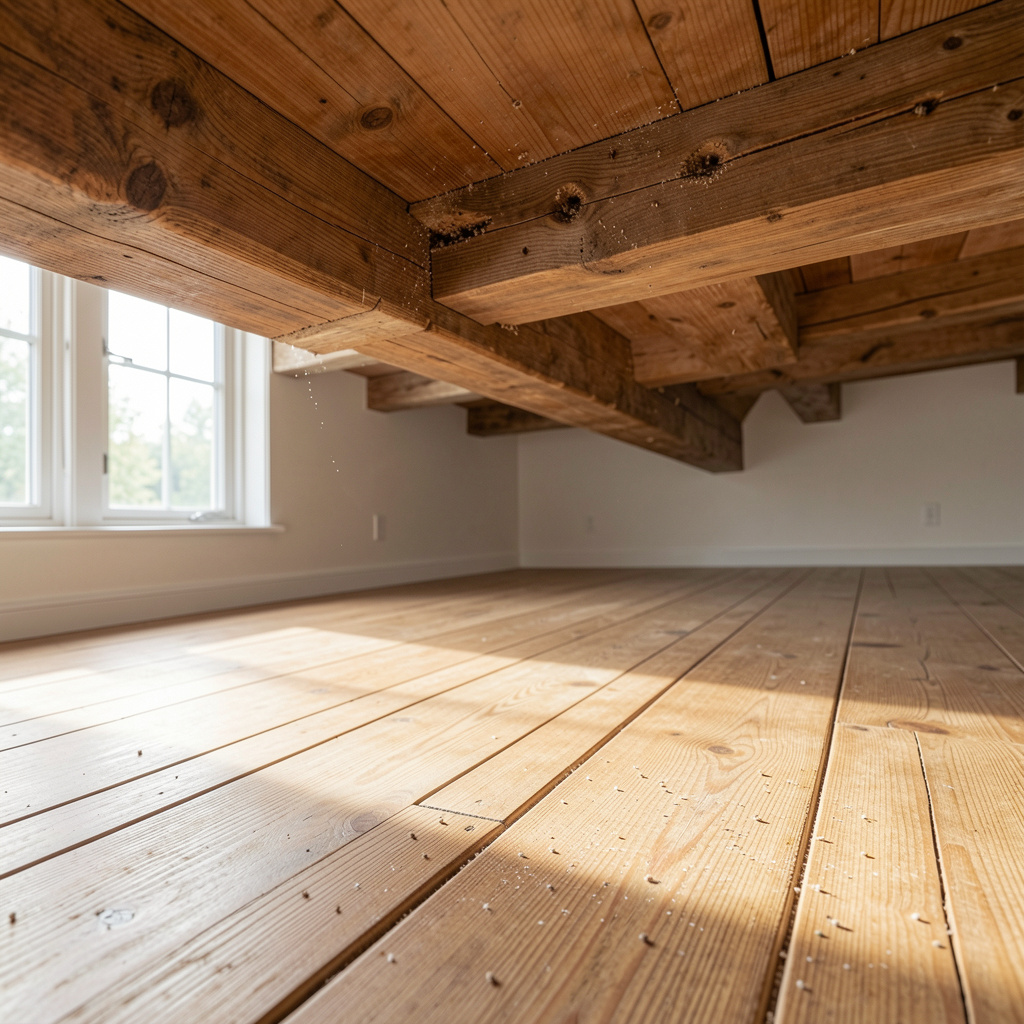
Wood has been used in homes, furniture, buildings, and structures for centuries because of its strength, beauty, and natural durability. However, wood has always faced challenges such as moisture, woodworm, termites, mold, weather damage, and structural wear. Traditionally, protecting timber relied heavily on chemical preservatives and surface coatings. Today, however, the future of wood protection is rapidly changing.
Modern technology is moving toward smarter, safer, longer-lasting, and more eco-friendly wood protection methods. Scientists and manufacturers are increasingly developing solutions that reduce chemical use, improve durability, and protect timber from hidden damage more effectively.
Many homeowners researching timber care through shashel.eu/ are increasingly interested in future wood protection methods because they promise healthier homes and longer-lasting timber.
In this guide, we will explore the future of wood protection technology and how it may transform timber care in the coming years.
Why Wood Protection Technology Is Evolving
Traditional wood preservation has been effective for many years, but modern homeowners now want better and safer solutions.
Why Change Is Happening
Many people prefer:
- Lower chemical exposure
- Eco-friendly solutions
- Longer-lasting protection
Researchers are also focusing on:
- Better durability
- Reduced maintenance
The future focuses on:
Stronger protection with fewer environmental concerns
Healthy homes matter.
Smarter Moisture Protection
Moisture remains one of timber’s biggest threats.
Why Moisture Matters
Damp timber becomes vulnerable to:
- Mold
- Woodworm
- Structural weakening
Future Improvements May Include
- Better water resistance
- Improved protective coatings
Future technology aims to:
Stop moisture before damage begins
Dry wood naturally lasts longer.
Many homeowners exploring timber care through shashel.eu understand that moisture prevention is one of the most important parts of long-term timber protection.
Heat and Microwave Technology
Heat-based wood treatment continues growing in popularity.
Why Heat Treatment Matters
Controlled heat can help eliminate:
- Eggs
- Larvae
- Hidden pests
without relying heavily on harsh chemicals.
Microwave Technology
Microwave treatment works by heating moisture inside:
- Wood
- Insects
This helps destroy:
- Hidden infestation
It may work especially well for:
- Roof beams
- Structural timber
- Furniture
Safer treatment methods continue improving.
More Eco-Friendly Wood Protection
Environmental concerns continue shaping innovation.
Why Eco-Friendly Solutions Matter
Many homeowners now prefer:
- Safer indoor environments
Future wood preservation may increasingly focus on:
- Reduced chemical use
- Sustainable protection
Healthier homes matter.
Cleaner solutions continue growing in popularity.
Stronger and More Durable Timber
Scientists are developing improved wood materials.
Future Improvements May Include
Wood that becomes more resistant to:
- Moisture
- Insects
- Rot
Why This Matters
Stronger timber may:
- Last longer
- Require less maintenance
Better durability helps homeowners reduce repair costs.
Healthy timber protects the home.
Smart Wood Monitoring Technology
Technology continues becoming smarter.
Future Monitoring Systems May Help Detect
- Moisture problems
- Hidden pest activity
- Structural weakening
before serious damage develops.
Why This Matters
Early warning systems may help homeowners:
- Prevent costly repairs
Fast action improves long-term durability.
Preventive care matters.
Improved Protective Coatings
Wood coatings continue evolving.
Future Coatings May Help Protect Against
- Water damage
- Sunlight exposure
- Mold growth
Why Better Coatings Matter
Longer-lasting protection may reduce:
- Maintenance needs
Outdoor timber may especially benefit.
Healthy wood lasts longer.
Better Pest Protection Technology
Wood pests remain a major concern.
Future Pest Protection May Improve Defense Against
- Woodworm
- Termites
- Beetles
Why This Matters
Modern systems increasingly focus on:
Preventing hidden damage before it spreads
Early protection improves structural safety.
Prevention saves money.
Many homeowners researching timber care through shashel.eu increasingly explore modern pest prevention methods for stronger wood protection.
More Sustainable Building Materials
Wood technology is becoming more environmentally focused.
Future Goals Include
- Sustainable materials
- Reduced environmental impact
Why This Matters
Homeowners increasingly value:
- Long-term sustainability
Future timber products may become:
- Stronger
- More efficient
Healthy homes support healthier living.
Fire-Resistant Wood Technology
Safety is another growing focus.
Future Wood Improvements May Help Increase
- Fire resistance
Why This Matters
Safer timber may improve:
- Home protection
Innovation continues improving structural safety.
Balanced protection matters.
Reduced Maintenance Needs
Future wood technology may help homeowners save time.
Benefits May Include
- Less repair work
- Better durability
Why This Matters
Stronger protection may reduce:
- Long-term maintenance costs
Smarter timber lasts longer.
Healthy homes need less repair.
Common Misconceptions About Future Wood Technology
Myth 1: Future Technology Means No Maintenance
Wood will still need:
- Inspections
- Care
Myth 2: Eco-Friendly Means Less Effective
Modern solutions continue improving effectiveness.
Myth 3: Traditional Protection Will Disappear
Routine maintenance will still matter.
Understanding future technology helps homeowners make smarter decisions.
Long-Term Benefits of Future Wood Protection
Future wood protection technology may offer major advantages.
Benefits May Include
- Longer timber lifespan
- Lower repair costs
- Better moisture protection
- Stronger pest resistance
- Reduced chemical exposure
Healthy timber protects the entire property.
Prevention saves money.
Conclusion
The future of wood protection technology is moving toward smarter, safer, and more sustainable solutions. Innovations such as moisture-resistant materials, heat treatment, microwave technology, advanced coatings, smart monitoring systems, and eco-friendly protection methods are changing how homeowners care for timber.
Many homeowners researching timber care through shashel.eu understand that the future of wood protection focuses on prevention, durability, and healthier living environments.